Video Monitoring
Navigating the ‘Wide Open Ocean’ of Video Monitoring
Security dealers share proven tips for entering, expanding and differentiating in today’s fast-growing video monitoring market.
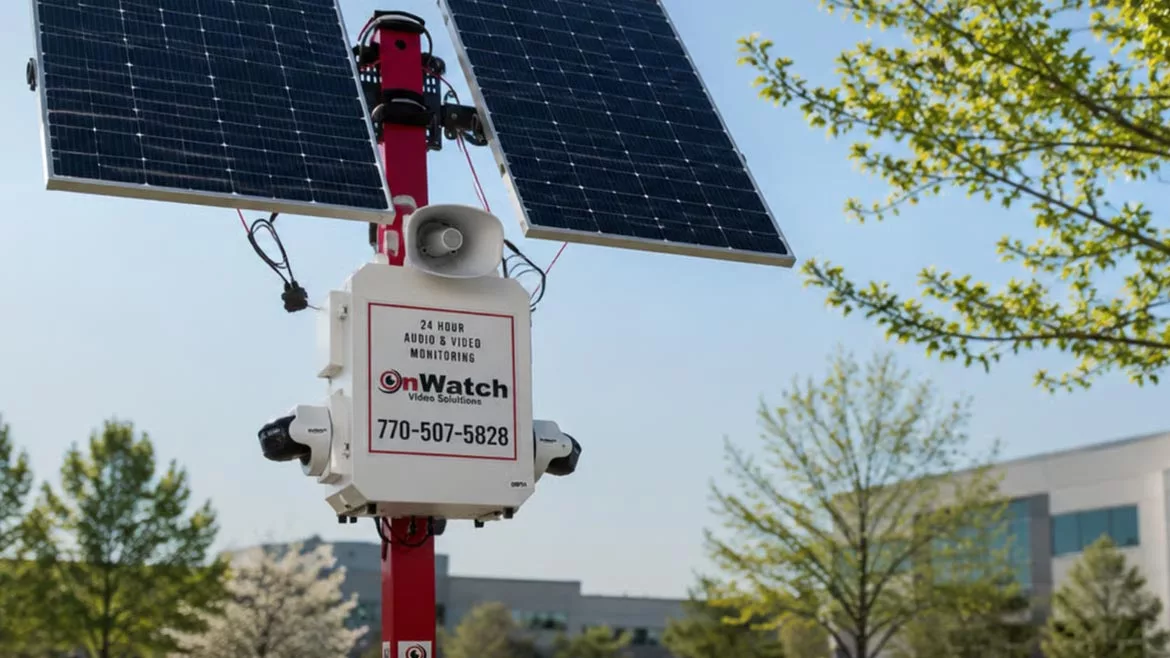
There are ample opportunities for security dealers and integrators at every stage of video monitoring — from new entrants to experts looking to diversify.
What does it take for a security dealer or integrator to find success with video monitoring? It can be tricky in today’s environment. “Everyone talks about it, but they really don’t talk about the other side of it: the research and development, the money, the time, the effort and the knowledge that you have to have to even get started,” says Kylie Smith, business development, video monitoring and security, KMT Systems Inc., Marietta, Ga., who is featured on this year’s Video Monitoring Today cover. “The revenue is great, but if you don’t know what you’re doing, you’ll lose money very, very quickly.”
Terms like “nuanced” and “fragmented” are commonly associated with video monitoring because the market is still in its infancy, but it’s technically easier to get into than just a few years ago. The range of partners that have jumped into the space recently is vast — from regional to technology to hardware providers, as well as listed, non-listed and third-party or outsourced monitoring providers. The definition of video monitoring varies depending on the provider and their level of capability, the technology stack, the monitoring model and customer expectations. For some companies, video monitoring is simply recording footage. For others, it’s remote guarding, AI analytics, cloud video, central station integration, event verification, managed services or operational intelligence. Even response models vary significantly; they could be human-led, AI-assisted, event-driven, live-viewing, audio intervention, cloud-only or hybrid approaches.
Other differences include where monitoring is performed, how well teams are trained and supervised, the sophistication of response protocols and the breadth of services offered. Some providers operate reactively, simply reviewing alerts and dispatching law enforcement. Others operate more proactively, using talk-down capabilities, virtual patrols and site-specific post orders to intervene earlier and manage incidents more effectively.
The 14 dealers interviewed for this article largely agree that video monitoring is most simply defined as proactive security that detects, verifies and responds in real time using different tools like evolving technology, trained operators, analytics and tailored response procedures. Most importantly, video monitoring does whatever the customer needs it to do — and the most common demands from today’s end users are to know what’s going on at their properties at all times and to stop crime before it occurs.
With that established, read on for key video monitoring “tips and tricks,” whether you want to get into it, expand in the market, or differentiate and get ahead of the game.
“The revenue is great, but if you don’t know what you’re doing, you’ll lose money very, very quickly.”

Getting Into Video Monitoring
David Charney, senior vice president, video command center, Everon, Boca Raton, Fla., has good news for dealers looking to get into video monitoring: “It’s a wide open ocean; there’s plenty of opportunity.”
There are various, proven strategies for getting into the video monitoring market:
- Acquisition: Allied Universal, Irvine, Calif., acquired a small, Texas-based business in 2013 because the company’s leadership saw the value and potential of remote video monitoring over 10 years ago. Protos Security, Norwalk, Conn., also entered the market through its acquisition of ControlByNet in August 2022, a move driven by what the company’s general manager, remote services of Protos Remote Services, Aaron Duxbury, describes as “a clear market gap.”
- Start Small, Run a Test: For smaller companies, Charney suggests choosing a pilot customer or two to test out the logistics and success of new video monitoring services. Custom Alarm, Rochester, Minn., and Cloudastructure, Palo Alto, Calif., both took this approach. A general contractor who experienced theft and vandalism approached Custom Alarm for a new solution in 2021. The company quickly discovered that this additional security could help its client with insurance requirements and began to deploy live video monitoring solutions for other clients. In 2022, Cloudastructure combined its remote guarding software with outsourced monitoring services for a client who wanted someone to monitor AI alerts even during off hours. The results were so strong, Cloudastructure decided to move monitoring in-house in 2025 so customers could have an end-to-end solution.
- Building a Dedicated Company/Segment: This is easier said than done, but multiple contributors to this article have done it. KMT, for example, created OnWatch Video Monitoring Solutions. Both Pro-Vigil, San Antonio, Texas, and Zeus Fire & Security, Paoli, Pa., were built with video monitoring as their foundation. Founder and CEO Jeremy White built Pro-Vigil under the premise that surveillance should be a service, not just a system. “I saw a gap where businesses needed someone actually watching, not just recording,” he says. “I saw this as an opportunity to disrupt a product-driven market and transform it into a solution with positive ROI.” Two of the original companies that came together to create the Zeus platform, Universal Atlantic Services and Alert Alarm Hawaii, brought deep experience in monitoring services and established monitoring center operations that continue to serve as a cornerstone of the company’s video monitoring capabilities today.
- Do Your Research: More than a strategy, this is a very important part of the process. Doyle Security, Rochester, N.Y., launched a “research campaign” with its product team in 2023 to begin to evaluate the vendors, providers and technology in the video monitoring space. After approximately six months of demoing equipment, attending webinars and having discussions with industry partners, the company landed on a final strategy and product line for the program. Doyle Security also assessed internal staff that would be supporting this program and made the necessary adjustments to ensure the success of its new vertical.
Insights Into Hindsight
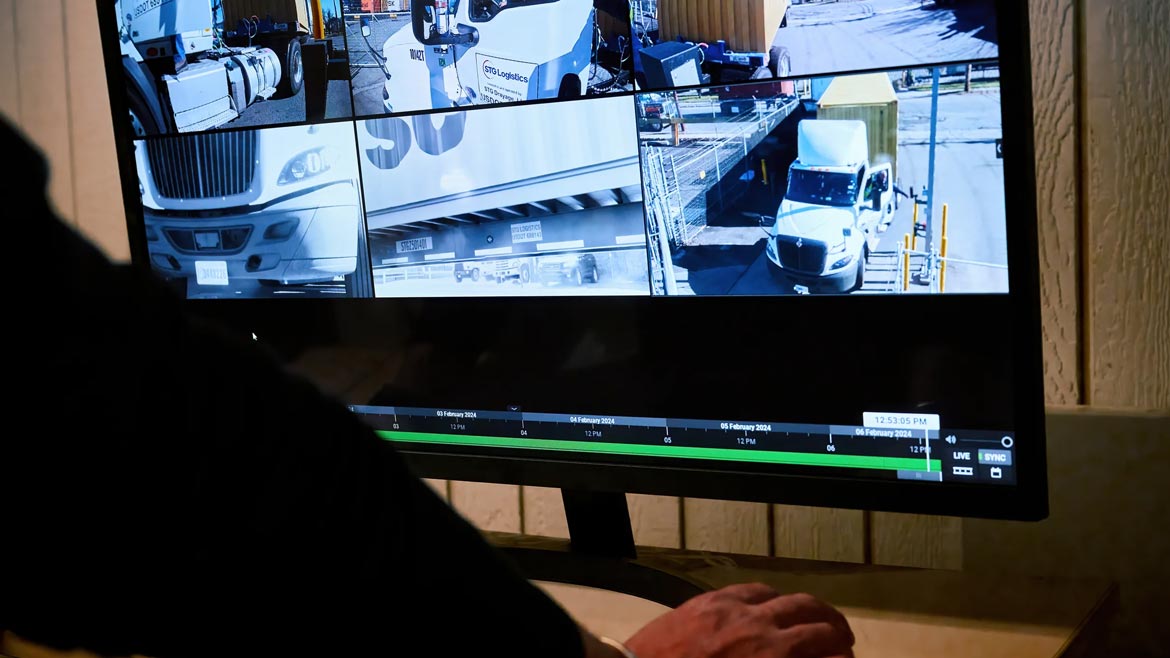
Hindsight is 20/20. SDM asked contributors to tap into that hindsight and share what they would do differently if they were going to market with their video monitoring services today.
One of the most critical steps is choosing the right platform. “The AI detection software and its integration with monitoring and reporting systems are foundational,” says Aaron Duxbury of Protos Security. “If those systems are not intuitive for both operators and clients, or if they do not integrate cleanly with incident reporting and alerting workflows, it creates friction that impacts both service quality and scalability.”
Josh Dice, president, Security Alarm, Salem, Ill., would search for or talk to partners about an all-in-one solution. “I’m not sure that that even exists, but I know that wasn’t available when we went to market a year and a half ago, so we kind of had to piecemeal it together,” he says. “But I have every confidence that, over the next couple of years, these companies are going to have some kind of all-in-one camera. That’s our biggest hurdle right now; there is not one seamless piece of technology that will provide the full scope of video alarm monitoring.”
The advanced evolutions of AI can streamline some of these otherwise disjointed or piecemeal systems. That’s why, for Jeremy White of Pro-Vigil, investing in proprietary technology earlier would be a key part of his go-to-market strategy today. “When we started, we made do with available tools and adapted as we grew,” he says. “That worked, but, in hindsight, building your own AI models and video platforms from the start gives you a competitive advantage that’s hard to replicate once you’ve locked yourself into someone else’s infrastructure. The integrators launching today have access to better foundational tools than we did 20 years ago, but the temptation to bolt together third-party pieces is just as real, and just as risky, long-term.”
Beyond technology, setting expectations upfront for internal teams and customers is another key part of the equation. Jeremy Daumen of Doyle Security says he would hire a salesperson dedicated to video monitoring, if he were to enter the market today. “The RMR dollars that LVM creates can be a shift from some of the other products we sell at lesser thresholds, and a new rep could be off to sell it without any shackles or previous misconceptions about what the market could bear,” he says.
On the customer side, fulfilling each site’s specific needs takes a lot of due diligence. “Find the right solution, test it and learn it,” says Shane Sullivan of Solid Security. “Make sure it’s going to work for your situation. Make sure it’s going to work for your workflows. Make sure it’s going to work for your customers before diving in.”
The 14 dealers interviewed for this article shared more advice in this online article; check it out for verbatim “lessons learned” and other advice for successfully entering the video monitoring space.
“[Video monitoring] is a wide open ocean; there’s plenty of opportunity.”
AI Is the Key to Expansion
It’s no surprise that dealers’ answer to the question, “What video monitoring technologies have had the biggest real-world impact recently?” was collectively AI. It’s also no surprise that dealers agree AI is driving expansion in the video monitoring market.
Looking for quick answers on security topics? Try Ask SDM, our new smart AI search tool. Ask SDM →
However, Shane Sullivan, CEO, Solid Security, Gainesville, Ga., warns, “Everybody wants to bolt AI onto something and call it a solution, but that’s not necessarily the case. It’s only as good as the operational policies and procedures behind it and the hardware and the site design.”
AI’s ability to distinguish between people, vehicles, animals, weather and non-threatening motion has dramatically improved efficiency for both customers and operators. “It reduces nuisance alarms and allows operators to focus on actual threats,” says the team from Allstate Security Industries, Amarillo, Texas. “That translates directly into faster response times, better efficiency and improved scalability.”
AI is also a proactive tool that can contribute greatly to a video monitoring provider’s ability to stop problems before they even begin. “It’s great to be able to shoo that bad guy, that burglar, out of the location in the middle of the night, but it’s better to stop them before they even get in it,” says Sean Foley, chief revenue officer, Interface Systems, St. Louis. “That’s where, in an exterior environment, we’re building the layers of protection around a commercial business.”
For Pro-Vigil, applying AI to the workflow around monitoring has been equally transformative. “When an event occurs, our system now uses generative AI to automatically produce a full incident summary —what happened, when it happened, what response was taken — and delivers that debrief directly to the customer in real time,” White says. “What previously required forensics staff to manually review footage and write up reports is now automated. Customers get faster, clearer information, and our team spends less time on administrative tasks and more time focused on stopping crime.”
The Zeus Fire and Security team has also seen major advancements in cloud video platforms, remote system management, edge analytics and overall system health monitoring. Together, with AI at the forefront, these technologies help customers do more with fewer resources while improving security visibility, uptime and confidence in their monitored environments.
It’s imperative for dealers who want to continue expanding in the video monitoring market to keep their thumbs on the pulse on the available technologies, communicate effectively with customers and implement the right tools and capabilities for each client. Most importantly: dive in. The market is ripe for expansion, and the only way to do that is to lean into the newest developments and lead with solutions.
The State of Video Monitoring Today
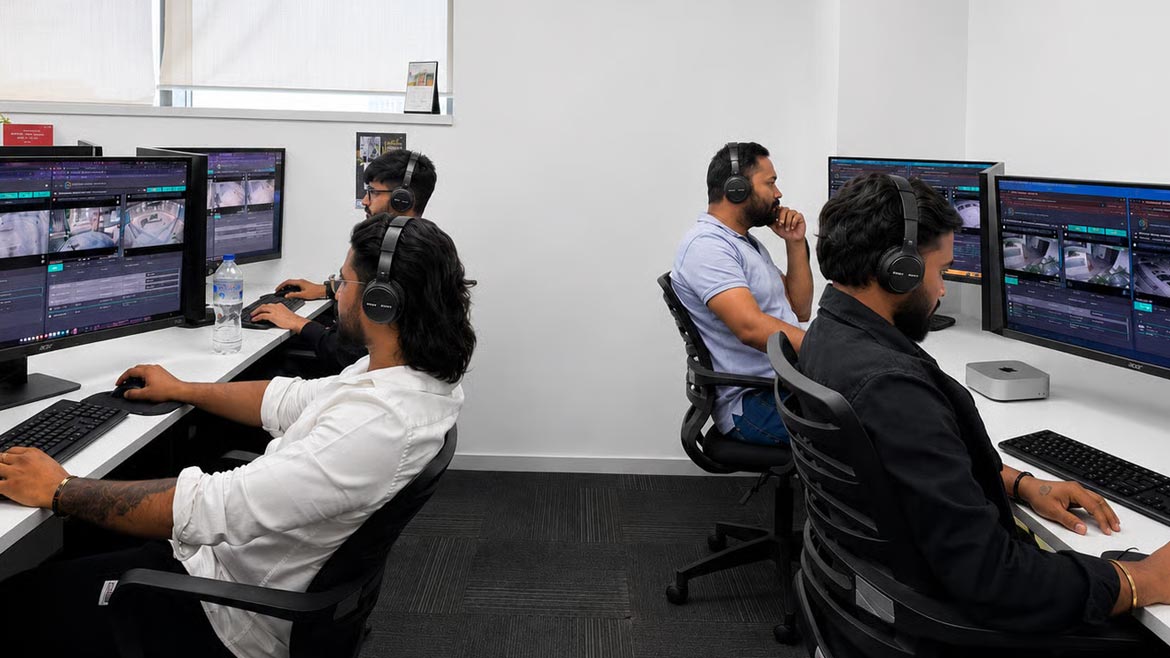
The RMR opportunities from video monitoring are significantly higher than those from traditional monitoring. “Whereas traditional monitoring may bring $30 to $60 a month, video monitoring may bring $150 to $200 a month,” says Josh Dice of Security Alarm.
“As the industry continues shifting toward service-based recurring revenue models, video monitoring remains one of the most compelling long-term RMR opportunities in commercial security,” says Scott Elkins of Zeus Fire and Security. These opportunities span various verticals, the top three of which, according to article contributors, are construction, retail and multifamily.
“Adoption is strongest in environments where risk is high, coverage is complex and traditional guarding is cost-prohibitive,” says Aaron Duxbury of Protos Security. “These environments benefit significantly from extended coverage, perimeter monitoring and the ability to deploy temporary or mobile solutions.”
Construction sites are, anecdotally, taking the lead for video monitoring, according to interviewed dealers. “Theft, vandalism and liability have become major concerns, and many companies are struggling with the rising costs of onsite guards,” says the Allstate Security team.
Retail and multifamily environments are other key areas of expansion, especially those still under construction. “Many insurance underwriters have started requiring remote video monitoring before construction can begin for these sites,” says Jeremy White of Pro-Vigil. “This is driving major adoption in the space starting with planning and breaking ground through going vertical.”
Additionally, commercial environments, particularly the organizations managing multiple locations, large physical footprints, high-value assets or complex operational challenges, are seeing increased adoption in video monitoring. “In general, the fastest adoption is occurring in industries where customers are looking to improve situational awareness, reduce operational risk, enhance perimeter protection and supplement staffing limitations with more proactive technologies,” Elkins says. This includes areas like education, healthcare, industrial facilities and automotive dealerships.
For RMR opportunities, the most evergreen opportunities are within industries that store assets in outdoor environments or operate in rural areas. “If you have large outdoor inventory, they’re susceptible to theft, vandalism, all kinds of things,” says Shane Sullivan of Solid Security. “Even having guard service, you can’t have eyes everywhere at all times. Having that eye in the sky allows us to provide an elevated level of service where we are providing better coverage and remediating it.
“There are unlimited applications,” Sullivan continues. “Anywhere where you’re either solving an immediate problem, such as loitering or public dumping, and offering direct savings to the client, or somewhere where you’re offsetting an existing service, like a guard service, those are the strongest RMR cases. It has a direct either dollar-for-dollar savings or even just a write-off because you’re getting an elevated service even if it’s for the same rate.”
Eric Hinderliter, vice president, monitoring and response center, Allied Universal, adds, “Dark sites, after-hours sites where we’re providing more remote services, where we’re remotely controlling doors and gates, where you have large customer, multi-site enterprises, where they’re wanting to standardize and centralize those things — these are all key RMR opportunities.”
“Everybody wants to bolt AI onto something and call it a solution, but that’s not necessarily the case. It’s only as good as the operational policies and procedures behind it and the hardware and the site design.”
Differentiation Is in the Execution Phase
The fact that video monitoring remains a fragmented market, with new providers popping up seemingly every second, is the reason differentiation is important. The way to do this is in the execution phase.
“The dealers/integrators who are succeeding in video monitoring are the ones who prioritize customer experience, quality of work and strong vendor partnerships,” says Sean Moening, vice president of product management, AMAROK, Columbia, S.C. “We believe in being a true partner to our customers and that’s represented by the efficacy of our solutions and our service model.”
From Custom Alarm’s perspective, the companies succeeding most in video monitoring have a clear ownership structure and procedure on how it is sold, deployed and monitored. “They are treating it as a service business and not just a ‘product,’ which is different than what this industry has done in the past,” the Custom Alarm team says. “We use a consultative sales approach to focus on real outcomes for each customer and customize along the way to meet their ever-changing needs. We are there beyond the sale to support them.”
The sale itself is also important. “Leading with a price before we even understand what the customer wants, that’s a big mistake,” says Michael Hanlon, vice president, hosted and managed solutions, Allied Universal. “You may give somebody a price that they think they’re going to be happy with, but you’re not going to give them a service that they’re going to be comfortable with. We can’t forget that we’re in the security industry. We’re supposed to design a program that delivers the level of security and protection that the customer is looking for, not a price.”
Pro-Vigil and Zeus Fire and Security share similar perspectives on success and differentiation in video monitoring: the most successful companies make up-front investments in people, operational processes, customer success, technology, analytics optimization, ongoing service refinements and building real escalation protocols. “They also understand how to integrate video monitoring into a broader security and business operations strategy,” says Scott R. Elkins, CEO, Zeus Fire and Security. “Companies struggling often underestimate the operational complexity or rely too heavily on technology alone without aligning it to customer workflows and real-world use cases. The market is also evolving quickly. Dealers who embrace AI, cloud architecture, remote services and data-driven operations are positioning themselves much better for the future.”
White adds, “Scaling is the other separator. Demand is growing, but if you haven’t invested in the right infrastructure early, growth becomes very difficult. A lot of companies find they’ve outgrown their foundation faster than expected.”
Jeremy Daumen, vice president of branch operations, Doyle Security, agrees, “Some dealers and integrators haven’t laid a foundation with sales and operations to make sure that the right sales opportunities are being pursued. If you don’t set the parameters right, you may end up with a nuisance account. Too many nuisance accounts, and you’re bogging down your central station and ultimately heading down a path of failure.”
That’s why it’s important for companies to focus on technology. Everon, for example, commits itself to research within its innovation labs. “We have very unique, dedicated teams here testing all of the video products we use,” Charney says. “That starts with hardware at the networking and outdoor rated levels of hardware, all the way to video analytic engines.” The team puts various AI technologies and video alarm reduction technologies up against each other in tricky and mainstream scenarios to test the real, practical usages, thus understanding the technology on a deep level to serve clients’ needs.
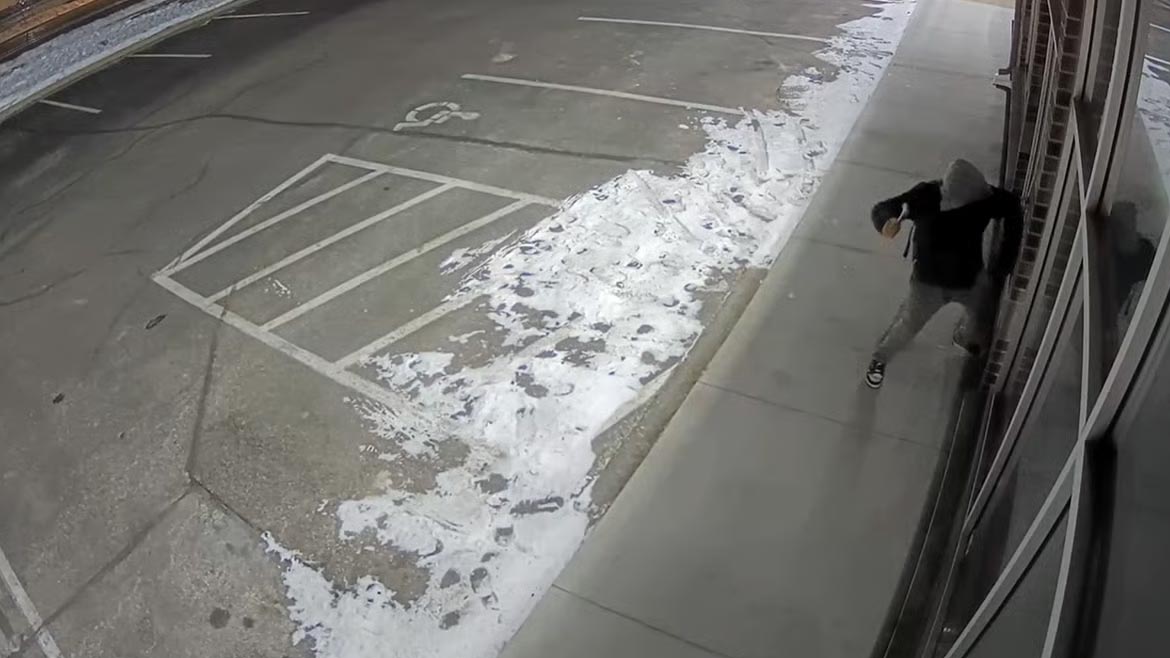
“The dealers/integrators who are succeeding in video monitoring are the ones who prioritize customer experience, quality of work and strong vendor partnerships.”
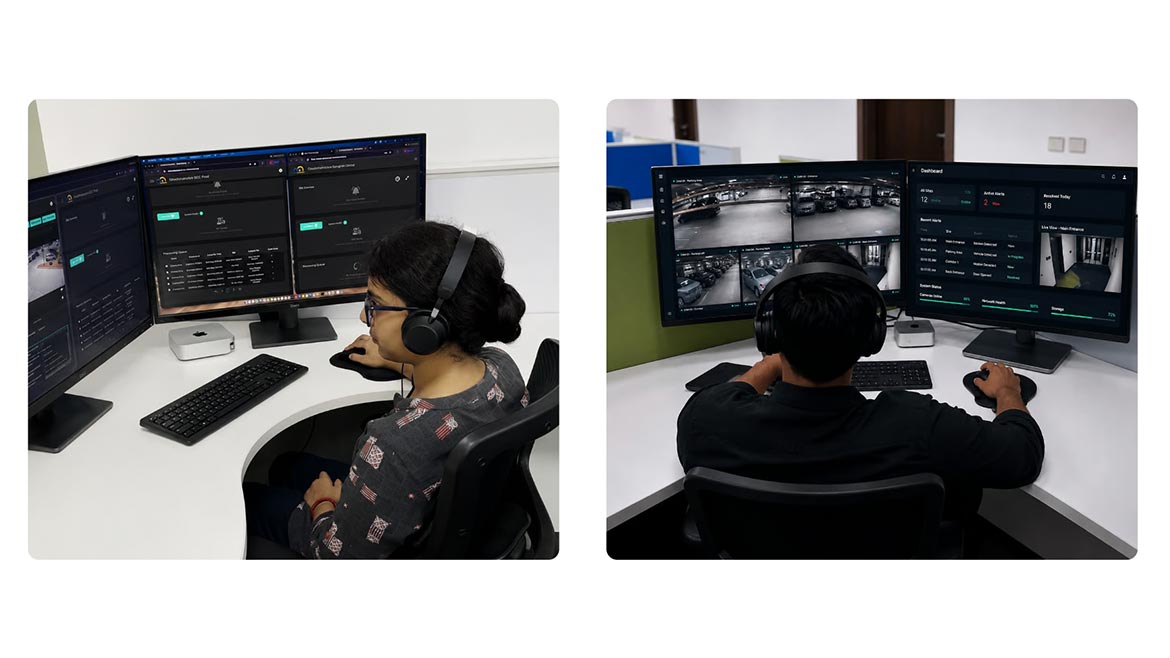
Lean Into the Market
For many dealers, it’s an exciting time to be in the security space. “Integrators are going beyond security; they’re going into operations,” Foley says. “They’ve been able to take end users’ AI platforms, video analytics tools, AI-powered VMS, and help them determine how many people are in their store, track sales conversions, etc. Integrators can also tell end users what their customers bought at the point of sale because they can integrate their video system to the end users’ point of sale platform. It’s a fun time to do what we’re doing.”
No matter what stage of video monitoring you’re in, knowledge and continuous learning are essential. “Admit you need help,” KMT’s Smith says. “There are great solutions out there. To be completely honest, we all have the same box, but it’s not about the box. It’s not really about the cameras, either. It’s the software, the development behind the software and knowing what you have.”
As client expectations continue to rise, they will look for clear performance metrics, response time SLAs, cost efficiency compared to traditional guarding and data that demonstrates the value of the service. “Sustained success in this space will come from the ability to consistently deliver those outcomes and communicate them effectively,” Protos’s Duxbury says.
What does it take to do this? The Custom Alarm team says, “Companies that invest in a process, train ALL of their employees on this service and have proper service models will be extremely successful in this area.”
Looking for a reprint of this article?
From high-res PDFs to custom plaques, order your copy today!