Profile S, the first-ever profile ONVIF introduced in 2011, provides a standardized set of specifications that enable basic video streaming capabilities between conformant devices (like IP cameras) and clients (like video management software) from different vendors. Profile S, however, specifies authentication mechanisms that are no longer consistent with current cybersecurity recommendations.
This collaboration comes at a time when synthetic media, deepfakes, and AI-generated content are becoming increasingly indistinguishable from authentic footage.
The rise of generative AI is expected to revolutionize the ways we use our security systems along with the information that these systems will be able to provide. These promises of new levels of efficiency, accuracy and depth of data from gen-AI are capturing most of the attention and discussions around this technology and its influences on the security market.
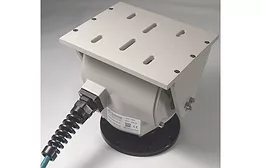
This blend between a fixed camera and a rugged Pan-Tilt positioner allows standard, as well as specialty cameras (Thermal, SWIR, LWIR and Starlight) to achieve full pan and tilt capabilities through a VMS.
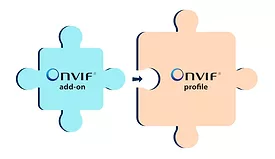
Available on www.onvif.org, the interactive course educates users on the ONVIF mission and organization, the benefits of ONVIF standards, what ONVIF profiles and add-ons are and practical applications for both, and the importance of the conformance process.
Zenitel said it is excited to participate in the Audio Streaming Profile Working Group that will define an ONVIF profile for the interfaces and communications mechanisms for configuring and integrating audio speakers and intercom devices.
In recent years, open standards have been instrumental in helping manufacturers innovate, reduce costs and improve quality in a highly competitive international marketplace.
ONVIF working groups are subsets of the ONVIF Technical Committee and Technical Services Committee, and any ONVIF member company at the full or contributing membership level is encouraged to participate in this work.
ONVIF has released the final version of the TLS Configuration Add-on to increase the security of communications between devices and software clients within a physical security system.