SDMmag logo
search
Go to Ask SDM AI
cart
facebook twitter linkedin youtube
  • Sign In
  • Create Account
  • Sign Out
  • My Account
SDMmag logo
  • NEWS
  • PRODUCTS
  • TOPICS
    • Access Control & Identification
    • Integration & Network Solutions
    • Life Safety & Fire Alarm
    • Monitoring
    • Smart Home
    • Trends & Industry Issues
    • Video Solutions
  • COLUMNS
    • Digital Shuffle
    • Editor's Angle
    • Insider News & Business
    • Integration Spotlight
    • Marketing Madmen
    • Security & the Law
    • Security Comings & Goings
    • Security Networkings
    • Technology @ Work
    • Technology Solutions & Skills
    • SIA Waypoints
    • Cybersecurity Chronicle
  • EXCLUSIVES
    • Annual Industry Forecast
    • Dealer of the Year
    • Project of the Year
    • SDM 100
    • State of the Market Series
    • Systems Integrator of the Year
    • Top Systems Integrator Report
    • TMA Excellence Awards
  • BLOG
  • MEDIA
    • Videos
    • Podcasts
    • Polls
    • White Papers
  • EVENTS
    • Industry Calendar
    • Webinars
  • MORE
    • Classified Ads
    • Newsletters
    • SDM Store
    • State of Security eBook
    • Sponsored Insights
  • BUYERS GUIDE
    • Buyers Guide
    • Take a Tour
  • EMAG
    • eMagazine
    • Archive Issues
    • Monitoring Today
    • Advertise
  • SIGN UP!

Security and the law: To Enter or Not to Enter

July 29, 2004
In a recent case decided in the U.S. District Court for the District of Kansas, an issue arose as to whether a police officer violated the Fourth Amendment right to be free from unreasonable search and seizures without a search warrant, where the police officer was responding to a burglar alarm. More specifically, the question presented was whether the law enforcement officers’ response to the burglar alarm, combined with their observations at the scene, created an exigency that justified a warrantless entry into the residence.

In the case at hand, an alarm signal was received. A telephone call was placed to the residence by the alarm company and an individual answered the phone, but was unable to provide the homeowner’s personal identification code. The alarm company called the police department who dispatched an officer to the scene. After the police were dispatched, the alarm was restored and automatically reset. In response the alarm company contacted the police department to cancel the alarm. Under the department’s policy, however, it does not permit a 911 operator to cancel an alarm call once officers have been dispatched to the scene. The 911 operator neither informed the police dispatcher nor the responding police officers that the alarm company had cancelled the call.

The officer entered the premises and observed that the alarm system was still in an active mode and exited the premises. The officers then entered the basement. Upon doing so, they observed a cellophane bag containing what they believed to be marijuana. Subsequently the officers obtained a warrant to search the premises and seized several guns, crack cocaine, powder cocaine and marijuana.

The court determined that the totality of the circumstances demonstrated that the police officer was justified in entering the residence without a search warrant. The initial alarm and the unusual events described provided the officers with a reasonable basis, approaching probable cause, to associate an emergency with the residence.

In reaching this conclusion, the court explained, the very purpose for a home security alarm is to signal that something may be amiss. In the face of an alarm, officers may reasonably conclude that a burglary may be in progress and may conclude, as here, that a neighbor’s explanation to the contrary is not entirely credible. The court held that this court by no means suggests that the police have license to enter a private residence every time an alarm is activated, but they do have a duty to investigate, and, when the facts and circumstances suggest reasonable suspicion that exigency exists, it will excuse the absence of a warrant to enter the home. The motion to suppress the evidence was therefore denied.

Looking for quick answers on security topics? Try Ask SDM, our new smart AI search tool. Ask SDM →

Share This Story

Looking for a reprint of this article?
From high-res PDFs to custom plaques, order your copy today!


Recommended Content

JOIN TODAY
to unlock your recommendations.

Already have an account? Sign In

  • SDM 100

    SDM 100: Top 100 Security Dealers of 2026

    The top 100 security dealers navigated a complex...
    SDM 100 Report
    By: Karyn Hodgson
  • Security camera

    State of the Market: Video Surveillance

    As video surveillance shifts from siloed systems to...
    State of the Market Series
    By: Brianna Wilson
  • 2026 Industry Forecast

    SDM 2026 INDUSTRY FORECAST

    Rapid technology advances meet shifting economic...
    Annual Industry Forecast
    By: Karyn Hodgson
Manage My Account
  • SDM Newsletters
  • Online Registration
  • eMagazine Subscriptions
  • Subscription Customer Service
  • Manage My Preferences

More Videos

Sponsored Content

Sponsored Content is a special paid section where industry companies provide high quality, objective, non-commercial content around topics of interest to the SDM audience. All Sponsored Content is supplied by the advertising company and any opinions expressed in this article are those of the author and not necessarily reflect the views of SDM or its parent company, BNP Media. Interested in participating in our Sponsored Content section? Contact your local rep!

close
  • Doctor examining child patient with mother present in medical clinic
    Sponsored byHID

    The Human Side of Hospital Security: How Modern Visitor Management Protects People First

Popular Stories

ESA Board of Directors Q2 26 Elections

Electronic Security Association Announces 2026 Board of Directors Election Results

TMA & SDM Logos

Becklar, Elite & Puget Win 2026 TMA/SDM Monitoring Center Excellence Awards

SDM 100 of 2026

The 2026 SDM 100 Top Brand Choices

SDM Dealer of the Year 2026 Promotion

Poll

What’s the most promising trend in the industry?

What’s the most promising trend in the industry?
View Results Poll Archive

Products

Physical Security Assessment Handbook An Insider’s Guide to Securing a Business

Physical Security Assessment Handbook An Insider’s Guide to Securing a Business

See More Products
SDM 100 2026 Rankings

Related Articles

  • Security and the law: Responding to Alarm Not Grounds For Entry

    See More
  • Security and the law: The Covenant Not to Compete

    See More
  • Security and the law: The Covenant Not to Compete II

    See More

Related Products

See More Products
  • 9780367030407.jpg

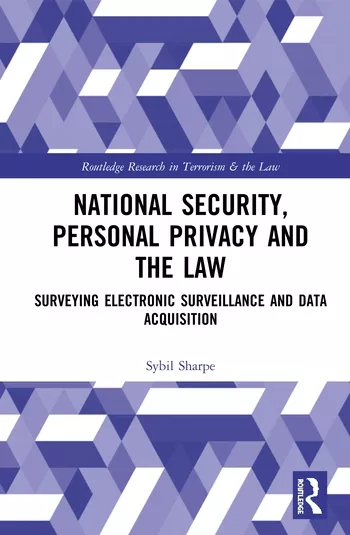
    National Security, Personal Privacy and the Law

  • s and the law.jpg

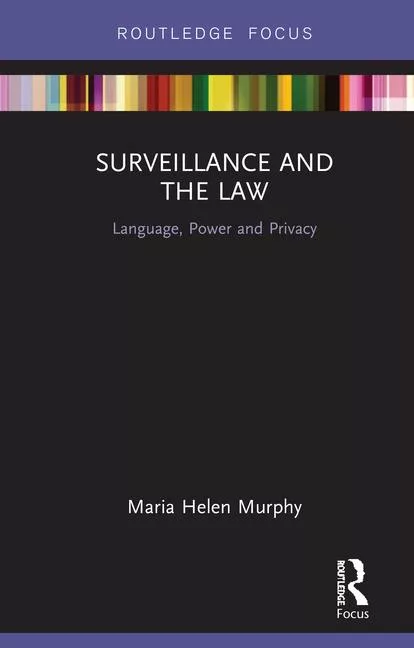
    Surveillance and the Law: Language, Power and Privacy

  • Risk Analysis and the Security Survey, 4th Edition

See More Products

Events

View AllSubmit An Event
  • November 9, 2010

    The Security 500 Conference

    The Security 500 Conference is the industry's break through conference focusing on the business impact of security leaders. The Security 500 brings together security leaders from leading organizations.
View AllSubmit An Event
×

Be in the forefront of security intelligence when you receive SDM.

Join over 10,000+ professionals when you subscribe today.

SIGN UP TODAY!
  • RESOURCES
    • Advertise
    • Contact Us
    • Directories
    • Store
    • Want More
  • SIGN UP TODAY
    • Create Account
    • eMagazine
    • Newsletter
    • Customer Service
    • Manage Preferences
  • SERVICES
    • Marketing Services
    • Reprints
    • Market Research
    • List Rental
    • Survey/Respondent Access
  • STAY CONNECTED
    • LinkedIn
    • Facebook
    • YouTube
    • X (Twitter)
  • PRIVACY
    • PRIVACY POLICY
    • TERMS & CONDITIONS
    • DO NOT SELL MY PERSONAL INFORMATION
    • PRIVACY REQUEST
    • ACCESSIBILITY

Copyright ©2026. All Rights Reserved BNP Media, Inc. and BNP Media II, LLC.

Design, CMS, Hosting & Web Development :: ePublishing