Industry veterans and pioneers explain why they believe autonomous security solutions like robots and drones are going to be the next big thing in security.
Counter-drone is no longer an accessory capability or a federal specialty. It is becoming a core public safety discipline, and this shift has direct implications for the dealers and integrators responsible for designing, deploying and supporting modern security systems.
The Security Industry Association (SIA) strongly supports lawmakers taking crucial and long-overdue steps needed to address growing threats posed by the weaponization or misuse of drones.
The security megatrends of 2025 suggest that innovative, intelligent and autonomous systems will continue to shape the future of commercial security for many years to come.
The hearing, “Unmanned and Unchecked: Confronting the Rising Threat of Malicious Drone Use in America,” focused on the growing threat posed by unauthorized and criminal use of uncrewed aircraft systems (UAS) in both domestic and international airspace.
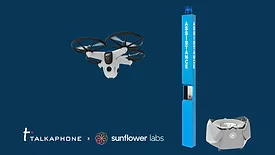
When an emergency call button is pressed on a Talkaphone tower, the autonomous drone is deployed to surveil the area while first responders are en route, establishing an instant eyes-in-the-sky security presence.
According to the announcement, DFR programs are changing how emergencies are handled by providing real-time situational awareness that improves response times and safety.
Security integrators recognize the customer benefits of autonomous security technologies like security robots, surveillance drones and drone detection systems. But they admit the hurdles to sales are high.
Security integrators recognize the customer benefits of autonomous security technologies like security robots, surveillance drones, and drone detection systems. But they admit the hurdles to sales are high.
Sustainable working and living environments are essential for boosting business performance and improving employee productivity. The complexity of the built environment makes it mandatory for organizations to strategically integrate people, places, processes and technology.