LakeComm 911 Automates Alarm Processing With ASAP Service to Advance Emergency Response Efficiency
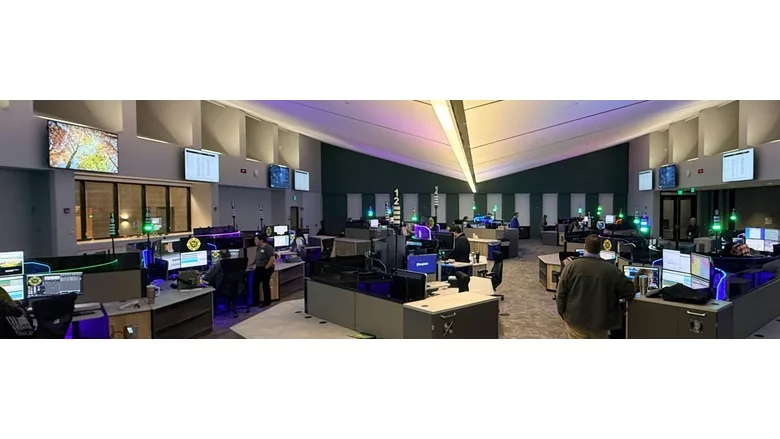
LakeComm 911 is modernizing its public safety response workflow with an automated alarm platform, freeing telecommunicators to focus on the most critical emergencies.
This Illinois emergency communications center (ECC), which serves 30 law enforcement, fire/rescue and EMS agencies across Lake County, recently went live with ASAP Service to automate the delivery of alarm notifications directly into its computer-aided dispatch (CAD) system. The integration eliminates the need for telecommunicators to manually answer and process thousands of alarm calls each year — reducing delays, improving accuracy and freeing staff to focus on higher-priority emergencies.
“With ASAP Service, we’re immediately improving efficiency while helping reduce the workload and stress placed on our telecommunicators,” said Jason Kern, executive director, LakeComm 911. “When you look at the cost and time required to implement it compared to the operational benefits and time savings it delivers, the return on investment is almost immediate.”
Based on current projections, LakeComm 911 telecommunicators are expected to process approximately 12,000 alarm notifications annually. Prior to implementation, alarm notifications often required multiple phone calls with alarm-monitoring centers to collect and verify information before responders could be dispatched. Industry estimates indicate that manual alarm handling can add two to eight minutes to emergency response timelines while increasing the risk of transcription errors and miscommunication.
ASAP Service is powered by the Automated Secure Alarm Protocol (ASAP), an American National Standards Institute (ANSI)-accredited standard that transmits alarm information from monitoring centers directly into ECC dispatch systems, eliminating manual phone calls and reducing processing delays.
LakeComm 911 projects that ASAP Service will eliminate up to 133 hours of manual alarm processing each month. Those hours can now be redirected toward handling high-priority incidents and supporting telecommunicator wellness in an increasingly demanding emergency communications environment.
“It was a very easy process to implement and integrate ASAP Service,” Kern said. “The efficiencies are immediate, and the impact on operations is significant.”
Looking for quick answers on security topics? Try Ask SDM, our new smart AI search tool. Ask SDM →
The center implemented ASAP Service through a connection to Illinois’ criminal-justice message switch and Nlets, the National Law Enforcement Telecommunications System network. Tyler Technologies developed the CAD interface that allows alarm notifications to flow directly into the dispatch system without telecommunicator intervention.
According to Karen Carlson, vice president and general manager for ASAP Service, Mission Critical Partners, the growing adoption of automated alarm-processing technology reflects a broader shift occurring throughout the public safety industry.
“Emergency communications centers can no longer afford workflows that rely on manual alarm handling,” Carlson said. “ASAP Service gives ECCs a standardized and proven way to reduce delays, improve accuracy and help telecommunicators focus on higher-priority emergencies.”
As of go-live, the following alarm-monitoring companies are transmitting alarm notifications via ASAP Service to LakeComm 911: Alert360, Affiliated Monitoring, Becklar, ESC Central, Guardian Protection, Johson Controls, National Monitoring Center, Quick Response, Rapid Response, Security Central, Vector Security and Vivint.
Looking for a reprint of this article?
From high-res PDFs to custom plaques, order your copy today!