SDM Exclusive
State of the Market: Security’s ‘Sixth Sense’ Drives Intrusion & Smart Home
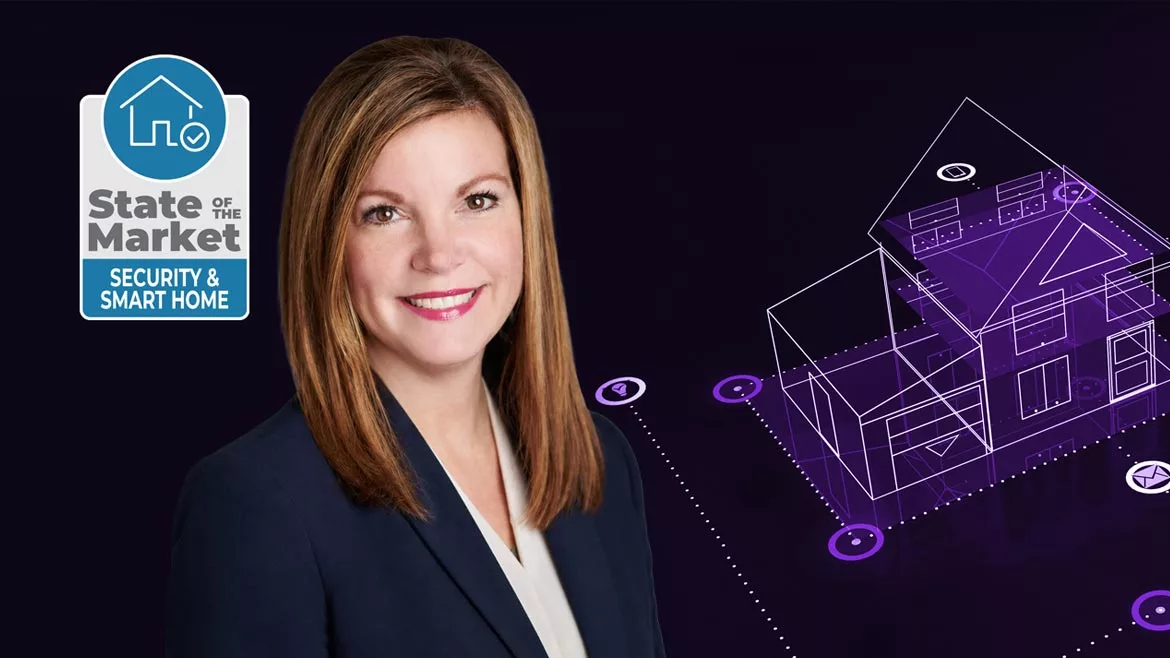
April Maloney, vice president of sales, Guardian Protection, says the company’s residential business has never been better after responding and adapting to market challenges in 2024.
The security and smart home space experienced forward momentum in terms of overall market strength last year. “2025 felt like the year the smart home space finally stopped having to prove itself,” says Brad Cook, head of product integrations, Alfred International, North York, Ontario. “The conversations we’re having with customers around smart home technology in the multifamily world shifted from, ‘Do we really need this?’ to, ‘How do we roll this out across all our buildings?’”
Dealers increasingly prioritized platforms that boost video adoption and home management attach rates, and that allow scalability across larger residential and light commercial environments. NAPCO saw increased interest in its Prima Self-Contained Connected Home System and the latest StarLink Connect Tri-Carrier universal cellular communicators. Resideo saw excitement surrounding the introduction of the First Alert CX4 Video Cameras, as well as the launch of the First Alert VISTA Hybrid Series.
“When you bring meaningful innovation to market, dealers respond,” says Jim Pless, director of sales, security and smart home, NAPCO Security Technologies Inc., Amityville, N.Y. “In tougher economic times, the importance of security often increases. Homeowners tend to prioritize protecting their families and property, which creates opportunity for dealers to position their systems as essential — not optional.”
April Maloney, vice president of sales, Guardian Protection, Warrendale, Pa., who is featured on this month’s cover, notes that residential security is a tricky space because there is a lot of consumer confusion due to the many ways people can purchase home security today. This falls on the security dealer to meet consumers where they are, especially as demand rises. “There is no ‘golden ticket’ in the residential security space,” Maloney says. “The biggest opportunity is for us to remain disciplined and on the successful track on which we currently operate.”
Maintaining discipline has allowed dealers and smart home integrators to remain steady and even grow slightly in the security and smart home market despite economic headwinds. “We understood what we’re good at, what we sell well and how we implement that really well,” says Samuel Korff, managing partner, JM Resources, King of Prussia, Pa. “When you do that as a company, you can really grow with momentum.”
Embracing change also contributed to growth in the segment. “Consumers continue to want smarter, easier to use systems, and, frankly, local service still matters,” says Eric Widner, chief operating officer, LOUD Security Systems, Kennesaw, Ga. “We’ve always believed there are plenty of customers who don’t want a DIY solution, and others who don’t want to be part of a giant national brand. That plays to our strengths.”
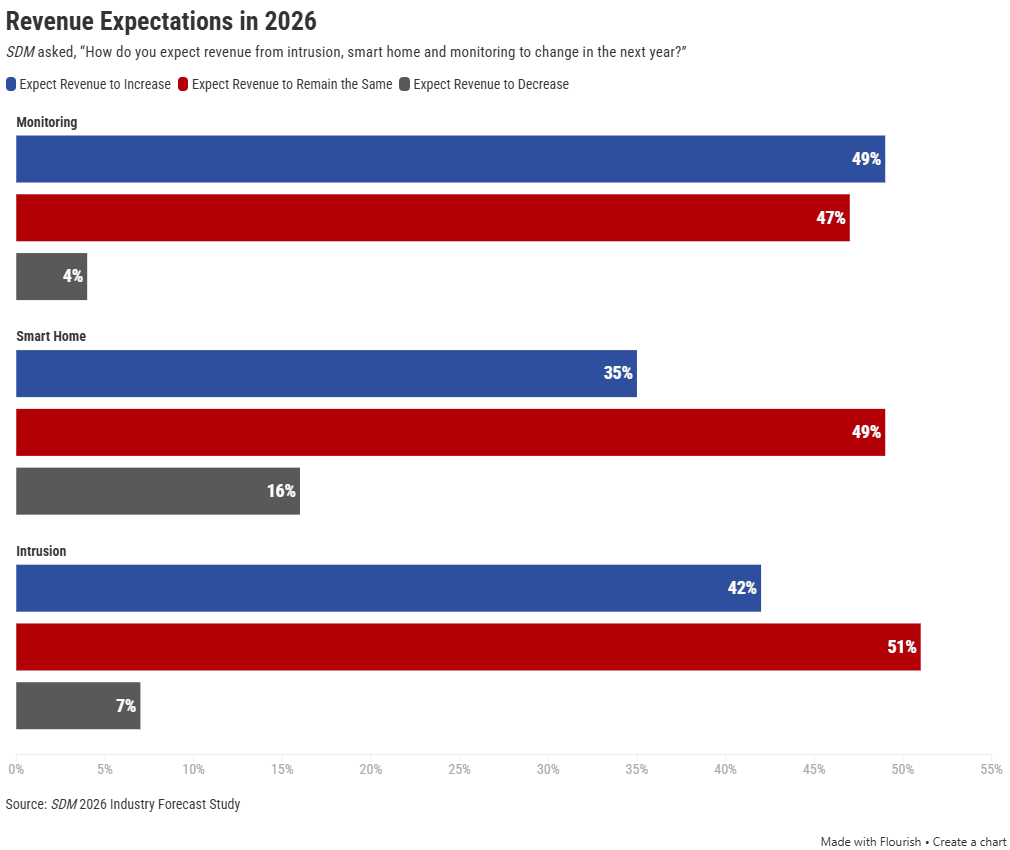
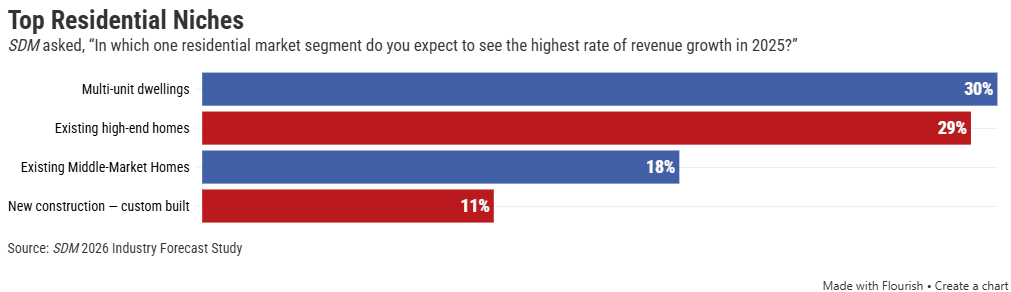
When it comes to market drivers, new construction has historically been at the top of the list of niche markets within security and smart home. SDM’s 2025 Industry Forecast reflected this, with 20% of respondents expecting these custom-built construction projects to drive the most revenue growth in 2025. That statistic took a dive in SDM’s 2026 Industry Forecast — only 11% expect new construction to drive the most revenue growth this year.
Looking for quick answers on security topics? Try Ask SDM, our new smart AI search tool. Ask SDM →
This dip is due to ongoing uncertainty in financial markets, housing conditions and broader global factors, Cook says. “However, we’re still securing impressive orders looking ahead into 2027 and 2028,” he adds. “That forward demand gives us confidence that 2026 will be another solid year.”
“There is no ‘golden ticket’ in the residential security space. The biggest opportunity is for us to remain disciplined and on the successful track on which we currently operate.”
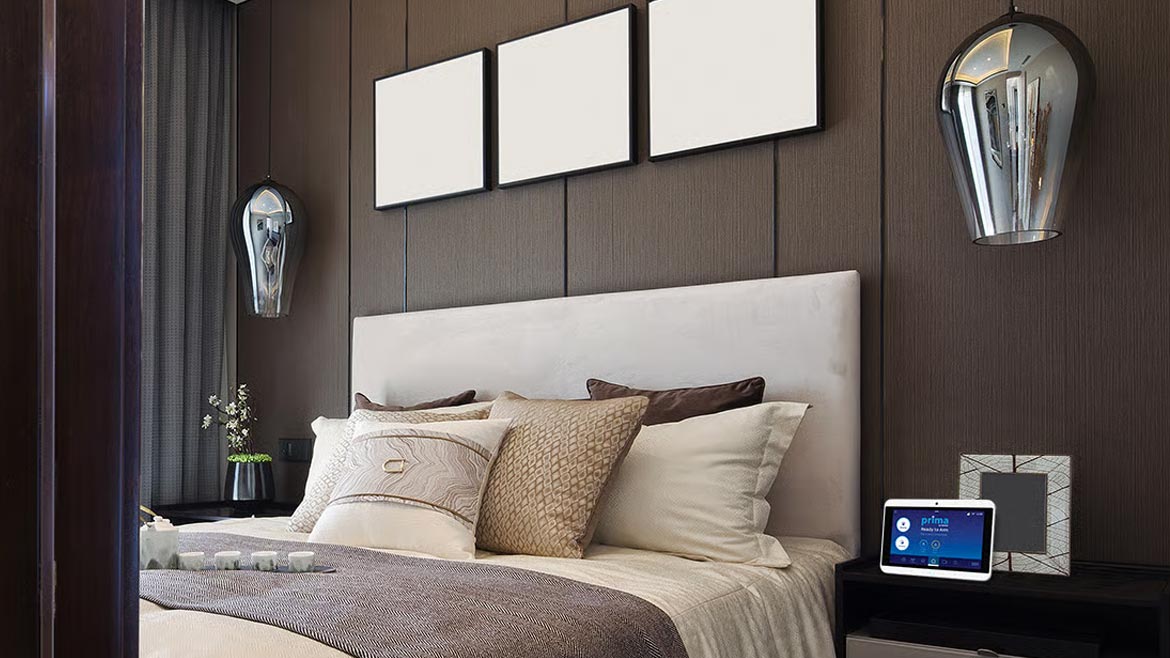
$15 Billion Sales Revenue From Smart Home Devices
The majority of consumers and security system owners use AI or are at least familiar with AI applications in the smart home. Parks Associates forecasts steady growth for the U.S. smart home device market, which will reach $15 billion in sales revenue by 2029. Image courtesy of NAPCO Security Technologies Inc.
Continuing the Momentum
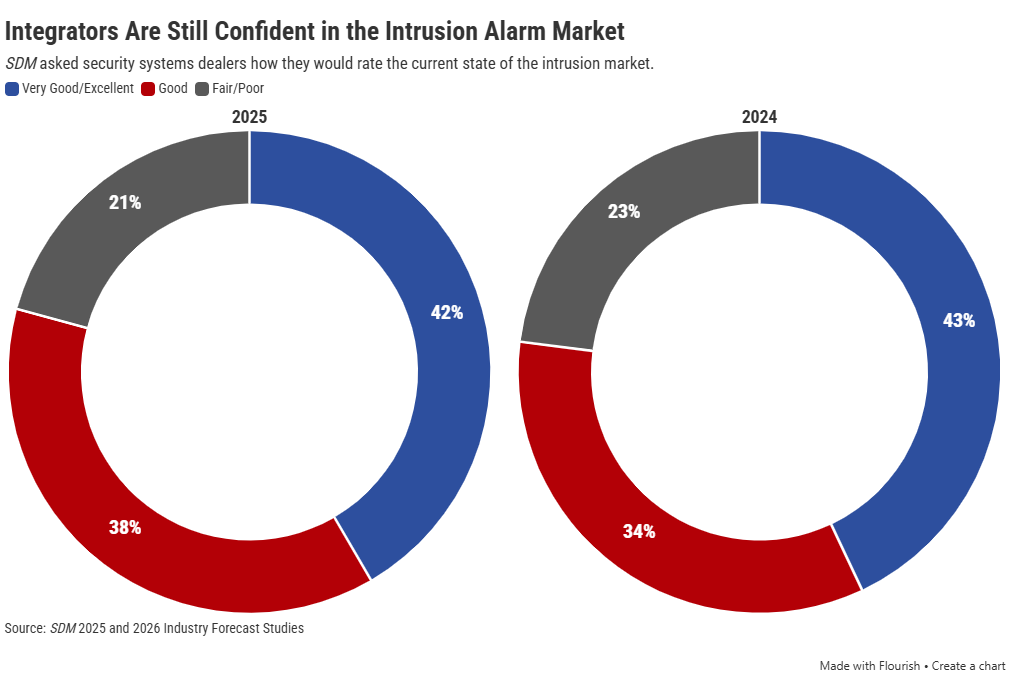
In 2026, manufacturers, monitoring centers and dealers alike are “continuing the momentum” built in 2025 — and many used that exact phrasing to describe their approach to intrusion, monitoring and smart homes. The year isn’t expected to be a full residential rebound, by any means, but it is showing strong signs of stabilization. “There are still a lot of moving pieces, especially with global uncertainty and rising energy costs tied to ongoing conflict, which continue to put pressure on materials, labor and overall project pricing,” Pless says. “That said, demand hasn’t disappeared — it’s just uneven.”
End user demand is driven primarily by fear. “If you look at people that are in the market for security, their desire to keep themselves and their family safe has never been higher,” says Morgan Hertel, vice president of technology and innovation, Rapid Response Monitoring, Syracuse, N.Y. “It’s driven the market in places that it wouldn’t have normally.”
Alex Andrews, director of operations, Astra Security, Ankeny, Iowa, says there is no such thing as a “safe neighborhood” anymore. “That feeling doesn’t exist anymore with all the petty crime that seems to be spiking,” he says. “Alarm/intrusion used to often be standalone, but now we see more and more the automation side of things is what interests people, and the security/intrusion is the added benefit.”
People desperately want to remain informed about what’s going on. “We’ve historically had five senses as humans, but I think there is a sixth sense that everyone has, which is wanting to be in the know,” Korff says.
End users don’t want siloed platforms. They want to know what’s going on in their properties at all times — from an intrusion standpoint, but also spanning thermostat, light and shading control, cameras and more. Customers want these systems to talk to each other, and they want these capabilities integrated into one platform. “Customers want one system that brings together intrusion, video, access and automation in a simple, easy-to-use way,” says Michael Alfano, president and CEO, greensite, a smart home dealer based in Ronkonkoma, N.Y. “There’s also a growing expectation that these systems are not just installed, but supported long-term.”
From a products and services standpoint, end users are increasingly demanding video as part of their security desires — because video is a solid way to know what’s going on. “Eighty percent of the prospects who call us are asking for video,” Maloney says. “It’s not just cameras; they also want the next evolution of analytics, like recognition of familiar faces, AI deterrents and video monitoring.”
From an industry standpoint, reducing false alarms remains a key priority. Video is at the center of this topic, as well. “Advancements in video analytics, combined with real-time, two-way communication between users and monitoring centers, are helping improve response accuracy and overall system reliability,” says Jeff Shaw, chief product officer, Nice North America, Carlsbad, Calif.
Market-wise, multi-unit dwellings are on the rise. Compared to the 13% of respondents to SDM’s 2025 Industry Forecast that pinpointed multi-units as a top residential niche, they are now taking the lead at 30% in SDM’s 2026 Industry Forecast. “The operational efficiency story is what’s really closing deals at the building management level,” Cook says. “Being able to issue and revoke access remotely, skip rekeying entirely, let in a maintenance crew without a physical handoff — those are all areas that save real time and money at scale. Smart locks keep pulling the rest of the ecosystem with them. We like to say the gateway to the smart home is the smart lock. Once someone goes keyless, they start looking at lighting, climate, cameras and other smart home technologies.”
“We’ve historically had five senses as humans, but I think there is a sixth sense that everyone has, which is wanting to be in the know.”
Lower 900 MHz Band Issue Persists
In Q2 2024, NextNav, a publicly traded geolocation company, submitted a proposal to the Federal Communications Commission to reconfigure the 902-928 MHz band (or the lower 900 MHz band). This is an issue the security industry has closely followed and petitioned against because it could have a huge, negative impact on low-power wireless devices that support millions of security and smart home devices.
The lower 900 MHz band issue is garnering close attention from monitoring centers, in particular — because, from a monitoring standpoint, reliability is everything. “If changes to the lower 900 MHz band create interference or even uncertainty for devices people rely on for alarm transmission, life safety or connected protection, the consequences could be serious,” says Jim McMullen of COPS Monitoring. “Professional monitoring depends on communication paths that work when they are needed most. If that reliability is compromised, even at the margins, it can affect performance, confidence, and ultimately outcomes. That is why this issue deserves very careful attention from anyone involved in security and smart home technologies.”
Jim Pless of NAPCO Security Technologies Inc. adds, “The lower 900 MHz band strikes an ideal balance between range, signal reliability and power efficiency. Protocols like Z-Wave … were purpose-built to operate in this sub-GHz spectrum. One of the key advantages is its ability to penetrate common building materials like walls, doors and floors far more effectively than higher-frequency bands, which is critical for consistent performance in residential environments.”
A meaningful shift away from the 900 MHz band would have wide-reaching implications. “This has the potential to impact the reliability of critical components such as door contacts, motion sensors and life-safety devices — leading to reduced range, increased offline devices and inconsistent system performance,” says Jeff Shaw of Nice North America.
“While the impact to the professional security industry would be catastrophic, the implications of NextNav’s proposed changes extend far beyond the security channel,” says Avi Rosenthal, chairman of the board, Z-Wave Alliance, San Ramon, Calif. “The lower 900 MHz band supports a massive install base of low-power wireless devices deployed across homes, businesses and critical infrastructure. These systems were painstakingly designed to coexist within a shared, low-power environment, not alongside high-power transmissions. Interference from 5G signals could lead to degraded performance, significantly reduced battery life to compensate for the noisy environment and hard-to-diagnose reliability issues that would impact not just security systems, but a huge collection of life-safety, aviation, transportation infrastructure, utilities, retail and operational technologies.”
Not only would these interference risks become a reality, they would also be irreversible at scale. “The devices impacted cannot be patched or upgraded over-the-air to operate under fundamentally different RF conditions,” says Daniel Rosales of Telguard. “The only viable path forward at that point would be widespread hardware replacement across billions of deployed systems. The cost of this undertaking is hard to fathom. The direct replacement cost for 900 MHz utilities metering devices alone is estimated to exceed $100 billion dollars. That’s one industry, and this change also impacts security, smart home, tolling, logistics, aviation and retail. Americans would be paying for this change for years to come.”
Should a transition take place, Pless says, from an industry standpoint, “Any transition would require significant coordination across manufacturers, standards organizations and regulatory bodies. It would also introduce added complexity in terms of product development, certification and long-term support for existing systems already in the field.”
The DIY Deal
There are many persistent challenges in the market, including margin pressure, inflation, technician shortages, lower-cost competitors and ongoing cost uncertainty around fuel, products and supply chain, among other economic factors. DIY competition continues to be one of the top concerns for dealers that focus on the residential space. “The best advice that we can give is to continue to push the value that a professionally monitored system gives, not just during the installation of the system, but in responding to inevitable hardware maintenance, and actual security events, when they happen,” says Daniel Rosales, senior director – marketing, PLM and tech services, Telguard, Atlanta. “The argument for a professional to install a system that a DIY counterpart has designed to be installed by the average consumer will be a tough battle, but the argument for maintaining and supporting the system when the worst actually happens is where the real value is.”
Ryan Park, senior product director of safety and security, Resideo, Scottsdale, Ariz., adds, “Dealers can address these opportunities by offering advanced solutions that are efficient to install and intuitive for the end user.” These include strategies like streamlining operations, strengthening customer relationships and expanding business opportunities.
From a dealer perspective, LOUD Security’s Widner completely agrees. “The way dealers overcome that is by leaning into what the competition can’t match — understanding the difference between professional design, installation and monitoring, and educating our customers in the differences over DIY services,” he says. “You have to make the value proposition easy to understand. If a customer only sees a camera and a monthly bill, you’re losing. If they understand the difference between an integrated, professionally installed and supported solution, compared to a product they have to figure out, install, service and sometimes monitor themselves, you are in a much better position.”
Dealers have an opportunity to “earn their keep” by dealing in the complexity that DIY can’t handle. “The homeowner buying a lock on Amazon isn’t the same customer doing a 200-unit high-rise retrofit,” Cook says. “For the smart lock category, that means dealing with fire code compliance, network infrastructure, retrofitting buildings that weren't designed with smart tech in mind. Dealers who can walk into a conversation and say ‘here’s how we modernize your building without replacing every door’ are solving a real financial problem. Retrofitting over existing hardware rather than full replacements can cut project costs by 40% – 60%. That’s a compelling pitch.”
Dealers can also leverage video, AI-driven services and fully integrated smart home platforms to keep themselves competitive. “Success will depend on driving recurring revenue through value-added services, simplifying installation to reduce labor impact, strengthening supplier partnerships and focusing on higher-end projects where DIY solutions are less competitive,” Shaw says.
DIY solutions also add to consumer confusion, which Maloney highlights as one of the top challenges in the space. “People are trying to shop, compare and make sense of the many security offerings that are being marketed,” she says. “For time-constrained shoppers, there is a big challenge to understanding, comparing and being able to determine what’s truly best for their homes and families. When we made changes in 2025, we tried to overcome consumer confusion by simplifying our approach. We like to clearly demonstrate to consumers: ‘These are our packages, this is our pricing, and these are the options you can add if you’d like.’ We try not to make things confusing for our prospects or our sales reps.”
In Astra Security’s Andrews’ opinion, DIY competition has fallen. “We feel this way as more and more people are dedicating more time to working to cover costs and don’t have the time or knowledge to DIY — and, if they do, they realize it doesn’t work properly,” he says.
Rather, Andrews feels dealers’ main challenge is commoditization. “What we sell is very similar in quality and capabilities to the competitors in our area, so we have to do things behind the scenes that really set ourselves apart,” he says. “We prioritize the customer experience, keep everything we can in-house from install to service and tech support and provide them with our guarantee that our job isn’t finished, and the customer won’t pay, until they are 100% satisfied.”
greensite’s Alfano agrees. “Many products look similar at a surface level, which can make it a price-driven conversation,” he says. “Dealers can overcome this by focusing on service, system design and long-term support. Building relationships — especially in channels like new construction — also creates a stronger, more sustainable pipeline than one-off transactions.”
Finally, dealers also face the pressure of expectations; they have to be everything, everywhere and all at once. “The expectation is the same of a small dealer as it is of a monster behemoth,” Hertel says. “The consumer requirement for more intelligent systems is hard for a security dealer to keep up with, and it’s a lot to absorb. The consumer is expecting them to be propped up using the smartest AIs around for safety and security. There’s a huge, steep, very different learning curve for a lot of these dealers that are out there today. Dealers today are having to learn it not only at a product level, but as a business process level. If you’re not knee-deep in AI, you’re wasting an immense amount of time and energy.”
“The argument for a professional to install a system that a DIY counterpart has designed to be installed by the average consumer will be a tough battle, but the argument for maintaining and supporting the system when the worst actually happens is where the real value is.”
Drawing Connections in the Smart Home
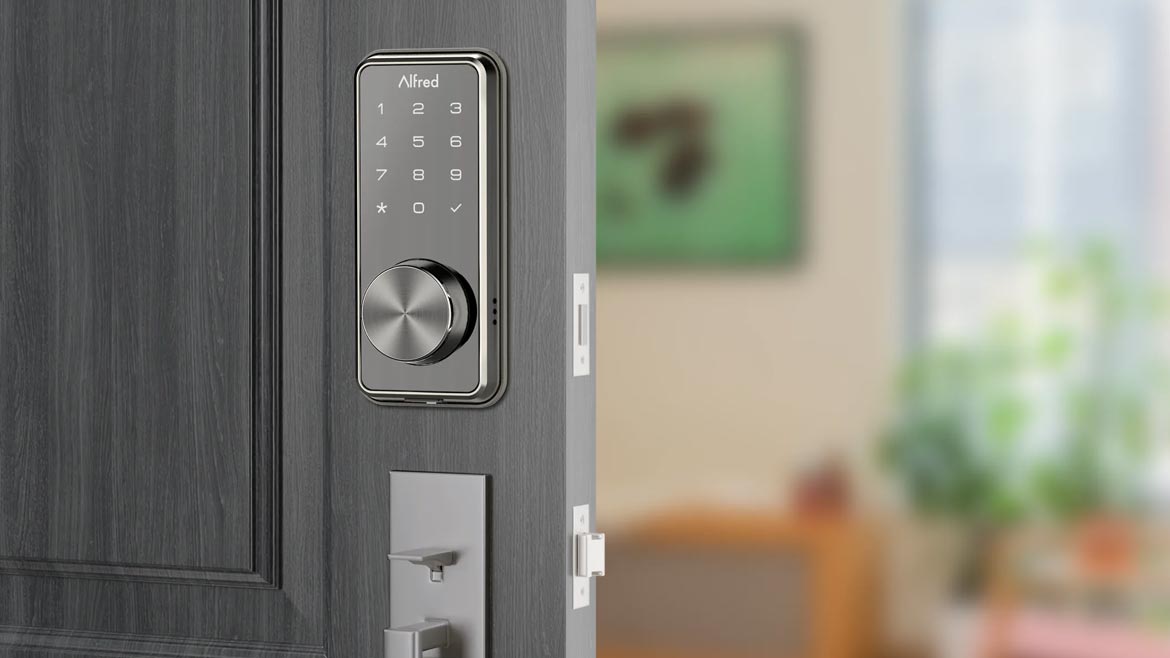
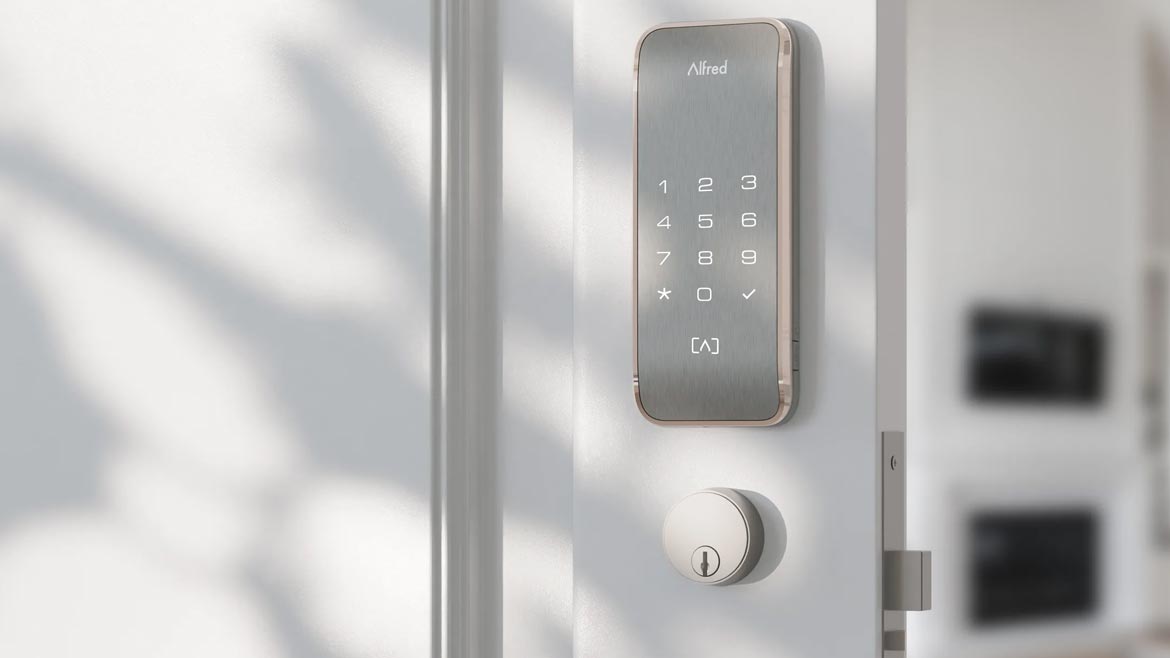
Connected systems are widely expected from end users. According to a whitepaper released by Parks Associates and Vivint, 54% of households with security systems have devices working together, compared to only 35% of households without a security system.
Video solutions overwhelmingly take the lead when it comes to connected devices in the security and smart home space. “I see the focus moving more towards protection,” says Jim Pless of NAPCO Security Technologies Inc. “Detection already exists, specifically package and vehicle detection. The cameras can be smart enough to not only detect objects but protect what they are watching. Drawing a boundary around the object and continuously watching for any changes in movement, sound, or if an unauthorized person shows up (using person detection and recognition) can give … more peace of mind. If something changes, it can immediately alert the user, set off the siren, flash the lights or play a pre-recorded message. It is about being proactive instead of just reacting.”
Over the past year, Jeff Shaw of Nice North America has observed a clear shift from basic video monitoring to AI-driven solutions. “Capabilities such as person and vehicle detection, intelligent alerts and advanced analytics are no longer differentiators; they’ve become baseline expectations,” he says. “As a result, the category is evolving toward more proactive, insight-driven experiences, where video not only captures events but helps users understand and respond to them in real time.”
Remote video monitoring is a hot topic, and the smart home space is no exception to this trend. “Consumers want the security of knowing that ‘someone I trust’ is watching along with me, or for me, when I can’t be there,” says April Maloney of Guardian Protection.
Pless hopes to see even more video monitoring and dispatch at the central stations. “Security is being pushed more outside the home than traditional in-home systems,” he says. “Consumers are thinking a video doorbell and an outdoor camera is all the security they need. We need AI to detect and analyze these devices to offer protection in addition to detection. An affordable video monitoring solution can reduce the self-monitored systems providing no recurring revenue.”
From a monitoring perspective, Jim McMullen of COPS Monitoring says the three categories getting the most attention right now are PERS, MPERS and monitored video. “Each of them speaks to a different kind of need, but all three are tied to something very important: people want protection that is more immediate, more informed and more useful in real life,” he says. “PERS remains important because there will always be a need to protect vulnerable individuals in the home. MPERS continues to grow because protection is no longer tied to a fixed location. People want help to go with them. Monitored video is gaining momentum because it adds visual context and turns a basic alert into something much more actionable.”
Aside from video, locks, thermostats, interactive services and related automation features are popular in the smart home space. “Just a few years ago, some of these products felt optional,” says Eric Widner of LOUD Security Systems. “Now customers just expect them.”
24-hour reporting devices that are focused on life safety, not strictly intrusion, are also popular. “This would include smoke, heat, carbon monoxide and water detectors — additionally, in the new construction space, smart locks and garage door controllers,” Maloney says.
Convenience is the cornerstone of connected systems. “We know our clients, at some level, are going to want a little bit of everything,” says Samuel Korff of JM Resources. “They’re going to want total peace of mind, which is the security side of the world. But they want thermostats, light control, cameras and all of that as well. They’re going to want great connectivity, which means having the right infrastructure for television and streaming services. But they want great Wi-Fi, too, so having a strong network is super important.”
Even something as simple as light control can add to the daily convenience of a consumer. “When I say light control, every home has windows, and they’re going to have electronic switches on the wall,” Korff says. “The question is: do they want them to be integrated and smart? Do you want shades to go up and down automatically? Or do you want to go around your house every night and close them manually and open them in the morning?”
Finally, smart locks are consistently a top priority. “The biggest change over the past year is that customers want these devices [i.e. cameras, video doorbells and smart locks] integrated into a single platform rather than operating independently,” says Michael Alfano of greensite. “Looking ahead, we expect continued demand for more unified systems with better automation and cleaner user experiences.
Historically, smart locks were commonly bundled into broader packages as one feature among several. From Brad Cook’s (Alfred International) perspective, they are now leading the conversation. “Lighting, thermostats and cameras follow,” he says. “Access isn’t just a convenience feature anymore; it’s foundational to how a building operates. Looking ahead, deeper integration with building management systems beyond the front door — elevators, parking, amenity spaces — is clearly where things are headed.”
Where AI Comes Into Play
As expected, many leaders foresee AI having a meaningful impact on intrusion, monitoring and smart homes. AI is already changing what a security system can do and what a consumer expects it to do. Currently, AI advancements in video analytics and intelligent detection are reducing false alarms, delivering more meaningful alerts and enabling more proactive security models, which is exactly what consumers are looking for out of their video and integrated systems.
From a monitoring perspective, Jim McMullen, president and chief operating officer, COPS Monitoring, Williamstown, N.J., expects AI to have a big influence in certain sectors. “Looking ahead over the next year or two, I think AI will play a bigger role across PERS, MPERS and monitored video,” he says. “With monitored video, AI will continue to improve how cameras detect, classify and prioritize activity so the focus is on meaningful events instead of noise. That can help deliver better information, faster decisions and a stronger overall response.
“With PERS and MPERS, AI can help in a different way,” McMullen continues. “It can improve how signals and patterns are interpreted, help identify situations that may be more urgent and support smarter escalation. Over time, I think we will also see more passive monitoring for in-home devices, where technology helps identify changes in routine, inactivity or other indicators that something may be wrong, even if the person does not press a button. That does not replace people or professional monitoring, but it can provide earlier insight and better information when it matters most.”
SDM has been exploring AI’s impact on monitoring centers, and the consensus seems to be exactly what McMullen suggests: that AI will augment monitoring but will not replace humans. “It’s simply going to make supporting those clients quicker,” Hertel adds. “Whether that’s a bot that can answer questions on nights and weekends, trends or something where they want to make a change or get alerts. I think it will improve customer service, but I don’t think it’s going to replace what we do.”
AI is also contributing to lifestyle enhancements. “We can use AI to learn user patterns and manage tasks we must do manually, like turning lights on at certain times, arming or disarming the system on different days and adjusting the thermostats,” NAPCO’s Pless says. “Specifically for HVAC, the panel can use existing sensors and cameras to determine when the home is usually occupied for longer periods and initiate heating or cooling. It can even start the precooling or preheating before people get home. AI learning these patterns on the machine is like the typical Z-Wave scenes we presently offer on ‘steroids.’ It also can reduce cloud costs and save end users money.”
Rosales agrees that AI is top of mind for both commercial and residential segments, as well as cloud capabilities, but he emphasizes the need to pay close attention to the technologies that will carry the information over. “Multi-carrier technology for cellular communicators made a big splash in the fire world,” he says. “The same trend will follow for commercial intrusion.”
“AI learning these patterns on the machine is like the typical Z-Wave scenes we presently offer on ‘steroids.’ It also can reduce cloud costs and save end users money.”
Intrusion Market Size
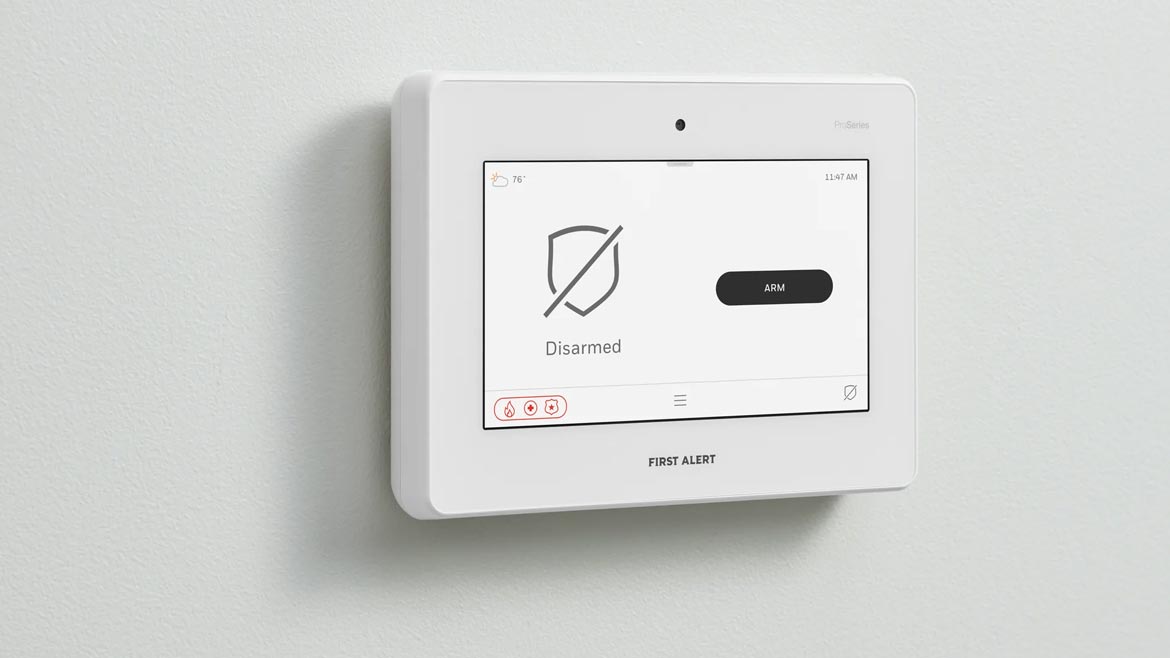
The intrusion market was valued at $3.3 billion in 2025 and is projected to reach $8.4 billion by 2035. This represents a compound annual growth rate (CAGR) of 9.7% during the forecast period 2025 – 2035.
Image courtesy of Resideo
Looking Ahead
Overall, leaders have a positive outlook on the intrusion, monitoring and smart home space. We can’t expect a big boom, but we can expect continued increase as older systems are refreshed and upgraded, as customers demand more video and as AI continues to advance proactive security and convenient lifestyle capabilities. “The biggest threat is thinking like it is 1995 and not developing or adopting products that don’t meet today’s customers where they live in 2026 and beyond,” Pless warns. “Change is the price of staying in the game — if you’re not evolving, you’re falling behind.”
Widner agrees, “The biggest threat is letting the market define us as a commodity or from losing our value, whether that comes from cheap DIY systems, overly aggressive pricing, rising hardware costs or simply not communicating our value clearly enough.”
Manufacturers are actively working to make these steps easier for dealers. “We see whole home integration and control as an exciting opportunity, and we’re invested in continuous convergence and curated partnerships that are easy to integrate, so our dealers can expand their offerings to align with consumer demands,” Resideo’s Park says.
Ongoing price pressure and the perception that all systems are the same are also persistent hurdles that dealers need to continue to overcome in 2026, Alfano says. “That’s why continuing to differentiate through service is critical,” he says.
How are dealers doing this? It again comes down to knowing what you’re good at and sticking to it. JM Resources, for example, is a strong regional player ranked No. 91 on the 2026 SDM 100 report. “We’re not competing with [the largest] companies in the security space that don’t do networks, audio, home automation, shades and stuff like that,” Korff says. “We can be a total approach to a home. When you’re building a new home or you’re renovating a home, we can take it from A to Z and do everything to make sure they work together. You also have the small AV companies who can do smart home, but they don’t do security. We can bridge that gap. That’s our happy medium.”
No. 10-ranked Guardian Protection focuses on what the company can accomplish from a personnel perspective and takes that to market. “I like to refer to this as ‘The Power of Purple,’” Maloney says. “We focus on our value and what we bring to the table from a customer experience. This includes the consultative sale and installation by ‘purple shirts,’ meaning professional Guardian sales consultants and technicians.”
Looking for a reprint of this article?
From high-res PDFs to custom plaques, order your copy today!