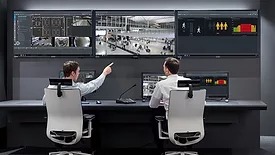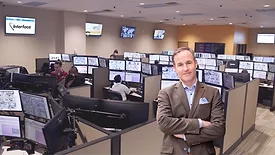
Today it’s all about bringing video alarms into a central station, where they are acted upon in real time by a real agent. It’s made possible through artificial intelligence, which delivers precise detection with fewer false alarms, and the ability to prevent incidents before they occur.
The early days of the pandemic accelerated the adoption of cloud video as business owners relied more heavily on video systems to check in on their sites remotely — but was this just a fad, or is it a trend?
While sophisticated IP cameras are capable of doing more than ever, they can also be more vulnerable to hacking — and vendors, integrators, and customers must all be vigilant to keep things safe.
In today’s increasing interconnected security world, video surveillance systems can be a doorway for hackers; and it’s everyone’s responsibility to keep things secure.
In spite of some major drawbacks, the market for video surveillance grew significantly from 2020 to 2021, and observers expect more of the same in 2022 and beyond.
Supply chain issues, hiring challenges and ongoing COVID-19 concerns may have shaped 2021, but none of these were able to put a damper on the steady growth of demand for video surveillance products and services.